Battery Scrap Buying

⚡ "Power Your Profits" ⚡

Premium prices for car batteries, industrial batteries, and battery waste in Hyderabad

What We Buy

Car Batteries

Industrial Batteries

Battery Components

Recycling Benefits

Car & Automobile Batteries

Best prices for old vehicle batteries

Car battery

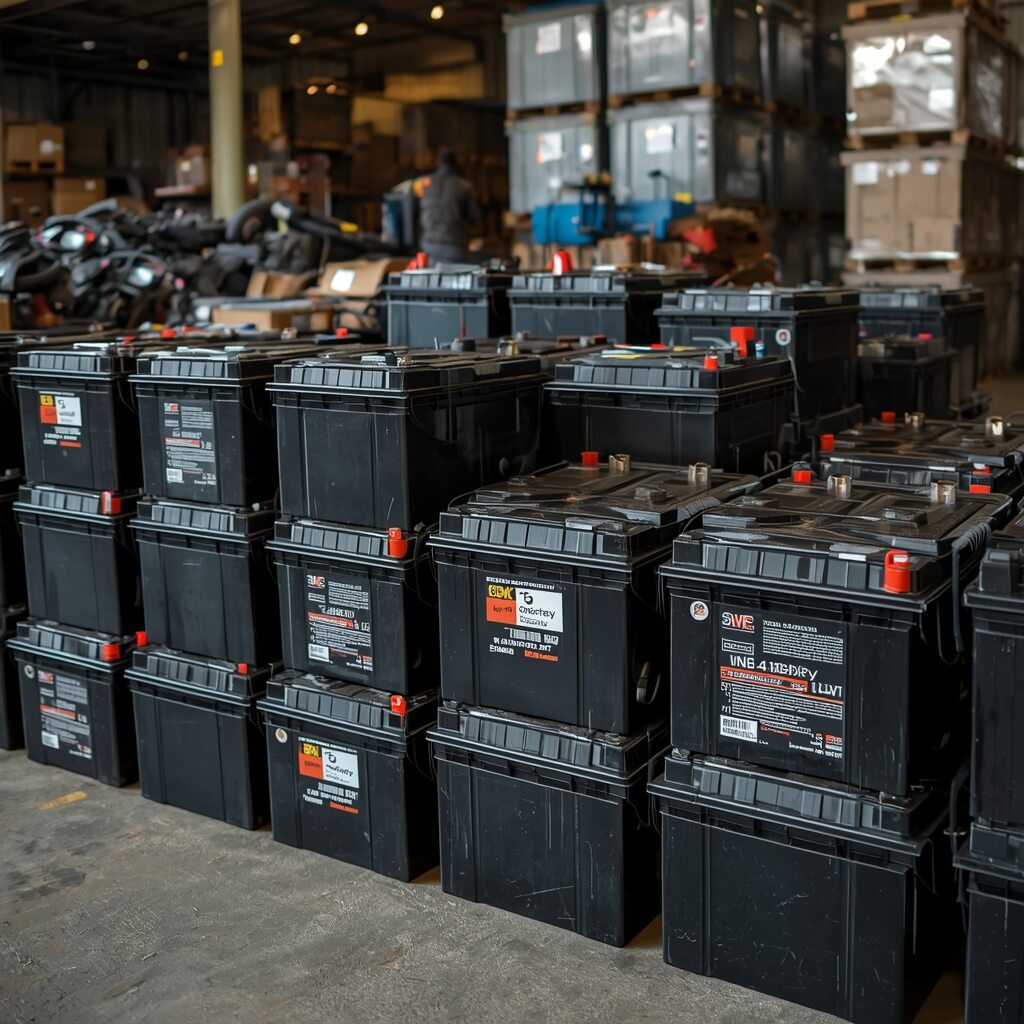
Old car batteries contain valuable lead and acid materials that can be recycled. We buy all types of vehicle batteries – working, dead, or damaged. Safe handling of hazardous materials is our priority with certified disposal methods.

Lead-acid automobile batteries represent one of the most successfully recycled products globally, with recycling rates exceeding 99% in many developed regions. Each car battery contains approximately 8-10 kg of lead, 1-2 kg of plastic, and several liters of sulfuric acid—all valuable and recyclable materials. At G D Enterprises, we've positioned ourselves as a responsible link in this critical recycling chain, ensuring Hyderabad's used batteries are properly processed rather than becoming environmental hazards.

The lead content in batteries makes them particularly valuable, but also hazardous if mishandled. Lead is a neurotoxin that poses serious health risks, especially to children and pregnant women. Improperly discarded batteries can leach lead into soil and groundwater, contaminating ecosystems for decades. This is why professional battery collection and recycling services like ours are essential. We maintain all necessary licenses and certifications for handling hazardous materials, ensuring complete legal compliance and environmental safety throughout the collection and transportation process.

Battery prices fluctuate based on lead commodity markets, which respond to global industrial demand. Lead prices are quoted on the London Metal Exchange and vary with economic conditions, industrial production levels, and mining outputs. We monitor these markets daily to provide current, fair pricing for your batteries. Unlike some buyers who offer flat rates regardless of market conditions, we adjust our pricing to reflect real-time lead values, ensuring you receive maximum compensation when selling your used batteries.

Vehicle type significantly influences battery size, capacity, and value. Small motorcycle batteries weighing 2-3 kg contain correspondingly less lead than large truck or tractor batteries that can weigh 25-40 kg. Commercial vehicles often use multiple batteries in series to provide higher voltage systems, multiplying the material value. We purchase all sizes and types, from small scooter batteries to massive commercial vehicle battery banks, providing appropriate pricing for each category.

Battery condition affects value primarily through weight—fully functioning batteries contain complete lead plates, while deteriorated batteries may have degraded internal components. However, even completely dead batteries retain substantial scrap value since the lead remains present. Don't hesitate to sell non-functional batteries thinking they're worthless. The recycling process melts down and purifies the lead regardless of the battery's functional state, meaning material value persists even after operational life ends.

Fleet operators, automotive repair shops, and battery retailers generate steady streams of used batteries requiring professional disposal. We offer commercial accounts with regular pickup schedules, bulk pricing arrangements, and proper documentation for regulatory compliance. Battery retailers facing take-back obligations can partner with us to fulfill environmental responsibilities while recovering value from customer trade-ins. Our commercial services include providing collection containers, scheduled pickups, and comprehensive record-keeping for audit purposes.

Batteries We Accept:

  • ✓ Car batteries (all capacities)
  • ✓ Bike/motorcycle batteries
  • ✓ Truck and bus batteries
  • ✓ Tractor batteries
  • ✓ Vehicle inverter batteries
  • ✓ Dead or damaged batteries
  • ✓ Old battery plates

Safe Battery Handling:

  • Certified Process: Licensed battery recycling facility
  • Safe Transport: Hazmat compliant vehicle collection
  • Environmental Care: Lead and acid properly extracted
  • Legal Compliance: Follows all government regulations
  • Fair Pricing: Competitive rates for all battery types

Battery Valuation:

Battery Type Capacity Average Price
Car Battery (12V) 35-60 Ah ₹800 - ₹2,000
Bike Battery 5-10 Ah ₹200 - ₹600
Truck Battery (24V) 100-150 Ah ₹2,000 - ₹4,500
Tractor Battery 12V/24V ₹1,500 - ₹3,500

View Complete Battery Pricing

Why Recycle Car Batteries?

Lead and plastic from car batteries are recycled into new batteries and other products. By selling old batteries, you're helping reduce mining of new lead and protecting the environment.
Industrial Batteries

Specialized buying for commercial battery systems

Industrial batteries

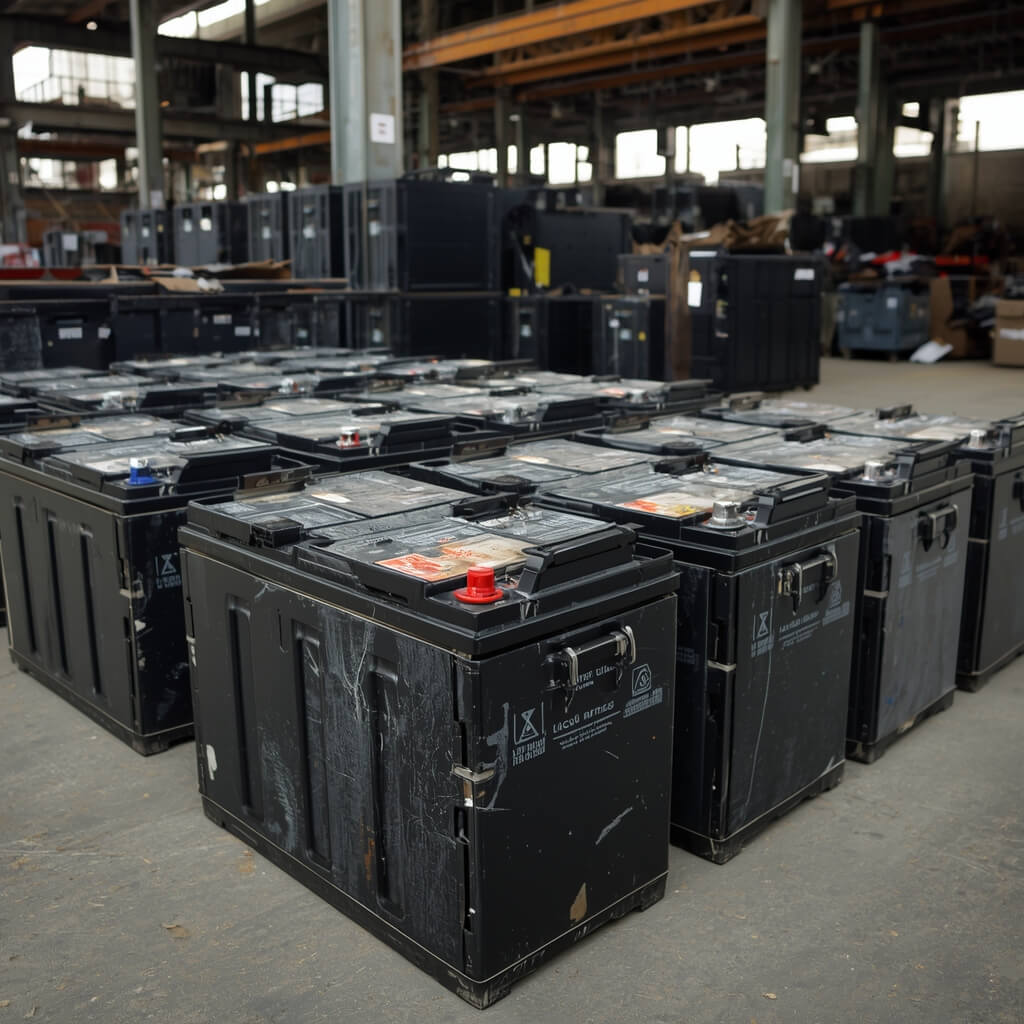
Industries, hospitals, data centers, and backup power systems often need battery replacement. We specialize in buying large quantities of industrial batteries with competitive pricing and professional handling.

Industrial battery systems serve critical infrastructure—ensuring hospitals maintain power during outages, keeping data centers operational, providing backup for telecommunications networks, and powering material handling equipment in warehouses and factories. These applications demand robust, high-capacity battery banks that eventually require replacement after years of service. G D Enterprises specializes in industrial battery disposal, understanding the unique requirements of commercial operations including minimal downtime, safety protocols, and proper documentation.

UPS (Uninterruptible Power Supply) battery banks found in data centers, hospitals, and commercial buildings represent significant disposal challenges due to their size and complexity. A typical UPS installation might contain 40-100 individual batteries arranged in racks, collectively weighing several tons. Replacing these systems requires careful planning, proper disposal of old batteries, and often, compliance with corporate environmental policies. We coordinate with facility managers to schedule removals during maintenance windows, bringing appropriate equipment and personnel to handle large-scale battery extraction efficiently.

Solar energy systems increasingly rely on battery storage to maximize renewable energy utilization. As solar installations age, their battery banks require replacement—typically after 5-10 years depending on technology and usage patterns. Solar batteries range from traditional lead-acid deep-cycle batteries to newer lithium-ion systems. We purchase all solar battery types, recognizing that each technology has different recycling pathways and values. Our expertise extends to both residential solar setups with a few batteries and commercial solar farms with extensive storage arrays.

Forklift batteries represent substantial industrial investments that eventually reach end-of-life. These deep-cycle batteries are designed for daily discharge and recharge cycles, serving warehouses, manufacturing facilities, and distribution centers. A single forklift battery can weigh 500-1000 kg, containing massive amounts of lead and acid. Facilities operating large forklift fleets face significant disposal challenges when batteries fail. We provide comprehensive forklift battery disposal services including on-site pickup, proper handling of these heavy units, and competitive pricing based on lead content.

Telecommunications infrastructure depends on backup battery systems to maintain network operations during power failures. Cell towers, switching stations, and network hubs all deploy substantial battery banks. As telecom companies upgrade infrastructure or replace aging batteries, they generate large disposal volumes. Our experience with telecom battery disposal includes working with network operators, tower companies, and infrastructure providers to manage battery replacement projects efficiently while maximizing material recovery value.

Industrial battery recycling requires specialized facilities capable of processing large volumes safely. The acid must be neutralized or reclaimed, lead must be smelted and purified, and plastic cases must be processed separately. We partner with certified industrial recycling facilities that maintain environmental permits, follow safety protocols, and achieve high recovery rates. This ensures your industrial batteries are processed responsibly, meeting both environmental standards and corporate sustainability objectives.

Industrial Battery Types:

  • ✓ UPS (Uninterruptible Power Supply) batteries
  • ✓ Solar system batteries
  • ✓ Forklift batteries
  • ✓ Telecom backup batteries
  • ✓ Power plant batteries
  • ✓ Golf cart batteries
  • ✓ Industrial lead-acid batteries

Bulk Purchase Benefits:

  • Volume Discounts: Better rates for large quantities
  • Quick Removal: Professional pickup and transport
  • Hassle-Free Process: Direct collection from your facility
  • Instant Settlements: Immediate payment for bulk orders

Battery Components & Parts

We buy individual battery materials and components

Battery components

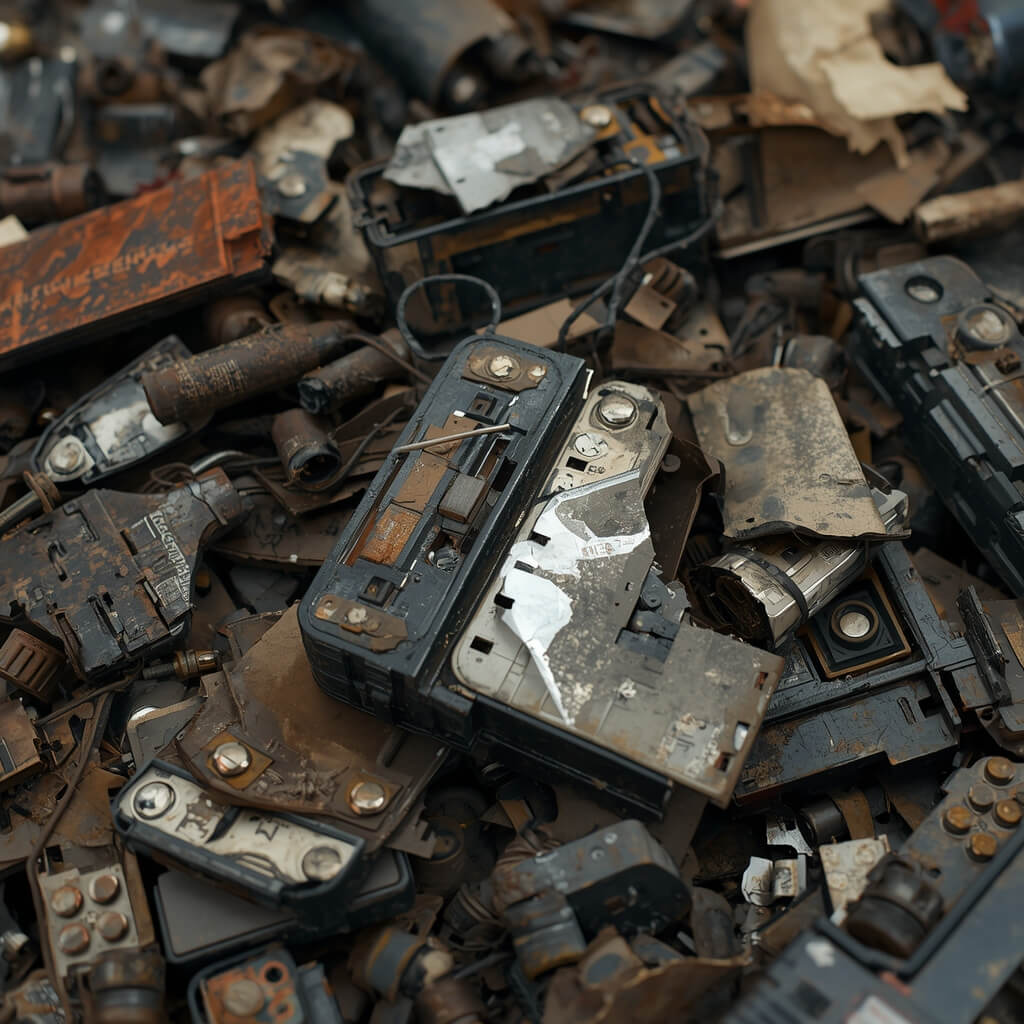
Individual battery materials like lead plates, plastic cases, and terminals are also valuable. We accept battery components from recycling facilities or manufacturing waste.

Battery recycling and manufacturing operations generate various component streams that have independent value. Manufacturing facilities producing new batteries may have production waste—rejected lead plates, excess grid material, or plastic trimmings. Battery rebuilding operations that refurbish old batteries by replacing internal components accumulate used plates and casings. Even informal recycling operations that break down batteries manually create separated material streams. G D Enterprises purchases these individual components, recognizing that pre-separated materials can command premium prices due to reduced processing requirements.

Lead plates and grids constitute the heart of lead-acid batteries, containing the highest concentration of valuable material. These components are stamped or cast from lead-antimony or lead-calcium alloys, designed to provide structural support while participating in electrochemical reactions. Used plates retain full metal value regardless of their degraded condition. We purchase plates in bulk from battery recycling operations, offering prices based on current lead market rates and the purity of the alloy. Clean, separated lead plates fetch premium prices compared to complete batteries requiring processing.

Battery plastic casings, typically made from polypropylene, represent a secondary value stream in battery recycling. Modern recycling processes separate these cases, shred them, and reprocess the plastic into pellets used for manufacturing new battery cases or other plastic products. The closed-loop nature of battery plastic recycling—where old cases become new cases—demonstrates the circular economy at work. We purchase separated plastic casings from recycling facilities, providing an outlet for this recyclable material stream.

Battery terminals and connectors, made from lead or lead alloys, constitute small but valuable components. These pieces facilitate electrical connections and must be durable and corrosion-resistant. Recycling operations often collect terminals separately due to their high lead content and lack of attached plastics or other materials. Clean terminal scrap commands good pricing and can be easily processed into new products. For facilities handling large battery volumes, accumulating terminals separately can create an additional revenue stream.

Lead oxide powders used in battery paste manufacturing represent specialized material streams. Battery manufacturing facilities generating excess paste materials or recycling operations recovering oxides from used plates can sell these materials to smelters or paste manufacturers. Lead oxide pricing depends on chemical composition, particle size, and purity. These specialized materials require technical evaluation to determine appropriate pricing, which our experienced team provides based on laboratory analysis and market conditions.

Sulfuric acid from batteries can be neutralized, purified, and reused in various industrial applications. While individual battery acid has minimal value, large-scale recycling operations accumulating acid in bulk can recover value through proper processing. We coordinate with facilities handling acid streams to ensure proper disposal or recycling, maintaining environmental compliance while optimizing material recovery economics. Acid handling requires special permits and equipment, which we maintain to provide comprehensive battery recycling services.

Components We Accept:

  • ✓ Lead plates and grids
  • ✓ Battery plastic casings
  • ✓ Battery terminals and connectors
  • ✓ Separator materials
  • ✓ Lead oxide powders
  • ✓ Electrolyte (sulfuric acid)
  • ✓ Battery manufacturing waste

Material Extraction Process:

  1. Battery collection and transportation
  2. Manual and mechanical separation
  3. Lead recovery and purification
  4. Plastic melting and recycling
  5. Sulfuric acid processing

Battery Recycling & Environmental Benefits

Why battery recycling matters

Recycling process

Battery recycling is crucial for environmental protection and resource conservation. Improper battery disposal can contaminate soil and water with toxic lead and acid. Responsible recycling protects our future.

The success story of lead-acid battery recycling demonstrates what's possible when industry, regulation, and environmental consciousness align. With recycling rates approaching 99% in many regions, lead-acid batteries have become the most recycled consumer product globally—surpassing aluminum cans, newspapers, and glass bottles. This achievement results from the inherent value of lead, well-established recycling infrastructure, regulatory frameworks requiring proper disposal, and growing environmental awareness. G D Enterprises proudly participates in this success, ensuring Hyderabad contributes to global battery recycling excellence.

The environmental hazards of improper battery disposal cannot be overstated. A single car battery contains enough lead to contaminate thousands of liters of water beyond safe drinking standards. Lead leaching into soil affects plant growth, enters the food chain, and persists for decades due to its non-biodegradable nature. Sulfuric acid from batteries creates soil acidity problems, killing beneficial microorganisms and damaging root systems. These environmental impacts justify strict regulations around battery disposal and the importance of using certified recycling channels like G D Enterprises.

Resource conservation through battery recycling addresses multiple sustainability goals simultaneously. Lead mining is energy-intensive, environmentally destructive, and often occurs in regions with minimal environmental oversight. By recycling existing lead, we reduce mining demand, preserving natural landscapes and minimizing mining's environmental footprint. The energy savings are dramatic—recycling lead uses 99% less energy than primary lead production from ore. This energy efficiency translates directly to reduced greenhouse gas emissions and fossil fuel consumption.

The closed-loop nature of battery recycling creates economic efficiency alongside environmental benefits. Recycled lead quality matches virgin lead for battery manufacturing applications, meaning performance isn't compromised by using recycled materials. Battery manufacturers actively seek recycled lead due to its cost-effectiveness and supply reliability. This creates stable demand that supports recycling economics, ensuring the system remains financially viable without requiring government subsidies. Everyone benefits—consumers get paid for used batteries, manufacturers access affordable raw materials, and the environment avoids toxic waste.

India's regulatory framework for battery waste management has strengthened significantly, with the Battery Waste Management Rules mandating producer responsibility and proper disposal channels. These regulations require battery manufacturers and importers to establish collection systems and ensure recycling. As an authorized collector, G D Enterprises helps fulfill these regulatory requirements, providing documented recycling pathways for producers and compliance assurance for businesses. Proper documentation protects our customers from regulatory liability while supporting national environmental objectives.

Public health benefits of battery recycling extend beyond environmental protection. Lead exposure causes neurological damage, particularly in children, affecting cognitive development, learning abilities, and behavior. Historical lead contamination from improperly disposed batteries contributes to ongoing public health challenges in some regions. By choosing responsible recycling, you're protecting community health, ensuring lead remains in controlled industrial cycles rather than entering living environments. This public health dimension makes battery recycling a civic responsibility, not merely an economic transaction.

Looking forward, battery recycling importance will only grow as electric vehicles proliferate. While EV batteries use different chemistries (typically lithium-ion), the principles of responsible battery lifecycle management remain constant. G D Enterprises is preparing for this future, developing expertise in emerging battery technologies while maintaining excellence in traditional lead-acid recycling. Our commitment to environmental stewardship and customer service will adapt to evolving battery technologies, ensuring we continue serving Hyderabad's recycling needs for generations to come.

Environmental Impact:

  • Lead Recovery: 99% of lead from batteries can be recovered
  • Reduced Mining: Less need for new lead mining
  • Water Protection: Prevents toxic lead from entering waterways
  • Soil Safety: Protects soil from acid contamination
  • Energy Savings: Uses 99% less energy than mining new lead

Recycling Statistics:

Over 99% of lead-acid battery components are recycled globally. By choosing responsible battery disposal, you're part of the solution:

  • ✓ 130 million batteries recycled annually worldwide
  • ✓ One recycled battery provides material for 100 new batteries
  • ✓ Recycling saves millions of tons of CO₂ emissions annually
  • ✓ Lead recycling is the most recycled material globally

G D Enterprises's Commitment:

We partner with certified recycling facilities that follow international standards for safe battery handling and environmental protection. Every battery you sell to us is recycled responsibly.

Ready to Sell Your Batteries?

Get your free quote today and earn instant cash!

Visit Our Location