Metal Scrap Buying

🔩 "Heavy Metals, Heavy Profits" 🔩

Best market rates for iron, steel, copper, and aluminum scrap across Hyderabad

What We Buy

Iron Scrap

Steel Scrap

Copper Scrap

Aluminum Scrap

Iron Scrap

Competitive prices for all types of iron waste

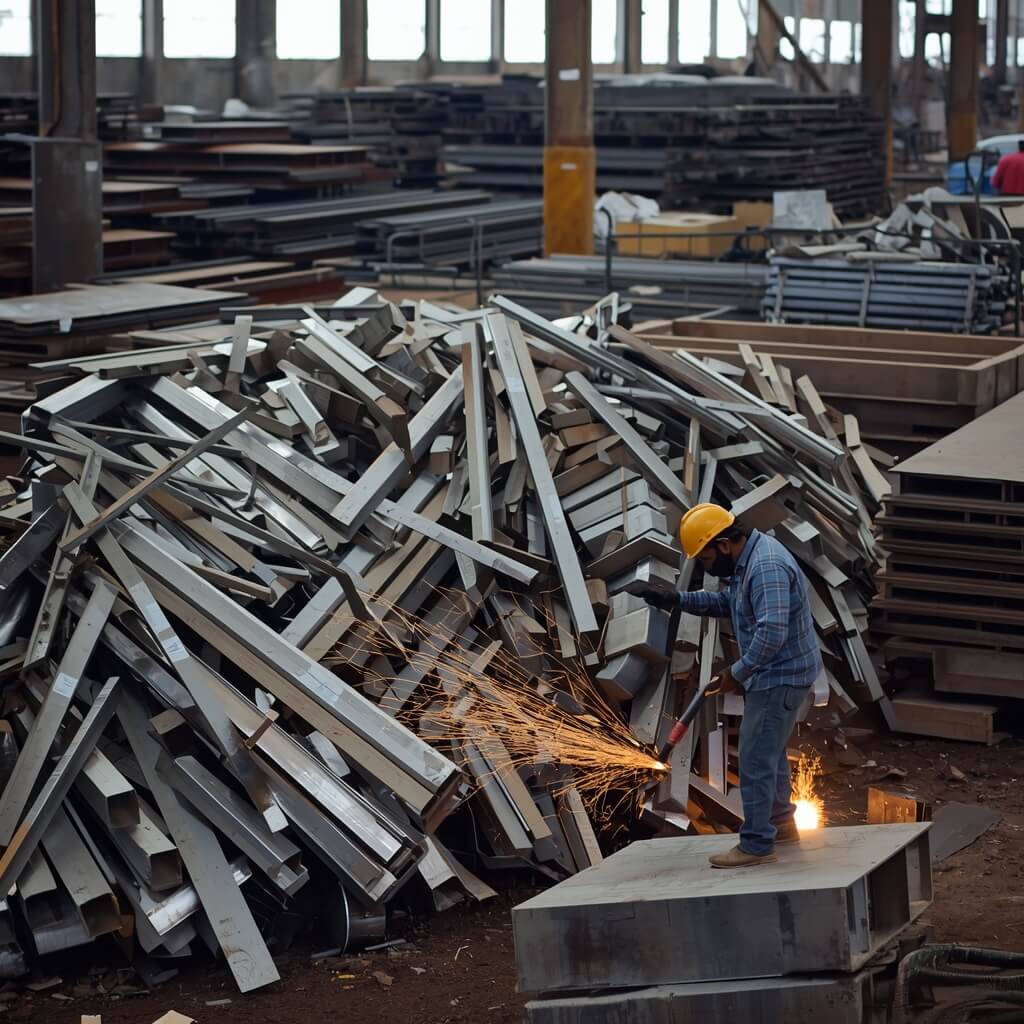
Iron scrap metal

Iron is one of the most commonly recycled metals. We buy all types of iron scrap including old machinery, industrial waste, household iron items, and construction debris. Our expert team ensures fair evaluation and best market rates.

Iron and steel constitute the backbone of global metal recycling, with hundreds of millions of tons recycled annually worldwide. As the most abundantly used metal in construction, manufacturing, and infrastructure, iron generates massive waste streams that represent both environmental challenges and economic opportunities. At G D Enterprises, we process all forms of iron scrap—from delicate cast iron decorative pieces to massive industrial machinery components—ensuring Hyderabad's iron waste feeds back into productive manufacturing cycles rather than occupying landfill space.

The distinction between iron types significantly affects scrap value and processing requirements. Cast iron, used in engine blocks, pipes, and machinery parts, contains higher carbon content making it more brittle but excellent for casting applications. Wrought iron, historically used in decorative railings and gates, is nearly pure iron with fibrous slag inclusions. Scrap iron, the most common category, includes mixed iron and steel items from construction sites, demolition projects, and discarded equipment. Our evaluation team distinguishes between these iron types to provide accurate pricing reflecting each material's market value and processing costs.

Pricing for iron scrap fluctuates based on global steel production levels, economic growth rates, and raw material costs. Iron ore prices, energy costs for steel production, and international trade policies all influence scrap iron values. We monitor industry publications and commodity markets to maintain current, competitive pricing that reflects real-time market conditions. Unlike fixed-price buyers, we adjust our rates regularly, ensuring you benefit when markets strengthen while maintaining fair value during market softness.

Industrial iron scrap from manufacturing facilities represents premium material due to its known composition and cleanliness. Machine shops generate iron turnings, borings, and cuttings from machining operations—materials with high iron content and minimal contamination. Foundries produce iron scrap from gates, risers, and rejected castings. Fabrication shops accumulate steel offcuts, weld slag, and structural remnants. We actively seek these industrial streams, offering competitive pricing and regular pickup schedules that help manufacturers monetize waste while maintaining clean, organized facilities.

Construction and demolition activities generate enormous iron waste volumes. Structural steel from demolished buildings, reinforcement bars (rebar) from concrete demolition, iron pipes from plumbing systems, and roofing materials all enter scrap streams. These projects often produce truckloads of iron that require rapid removal to keep sites operational. G D Enterprises coordinates with contractors to provide bins, schedule pickups, and handle large-volume removals efficiently. Our logistics capabilities ensure construction timelines aren't delayed by scrap accumulation.

Household iron items—old furniture frames, damaged tools, appliances containing iron components, garden equipment, and decorative items—collectively contribute significant recycling volumes. While individual items may seem insignificant, millions of households disposing of iron items create substantial material flows. We accept all household iron, encouraging residents to recycle rather than discard. For larger household clearances involving furniture, equipment, or renovation debris, we provide pickup services making recycling convenient and financially rewarding.

The environmental benefits of iron recycling extend beyond waste diversion. Iron ore mining devastates landscapes, consumes enormous energy, and produces significant carbon emissions. Recycling iron requires far less energy than primary production, reducing greenhouse gas emissions substantially. Water pollution from mining and processing operations is avoided when using recycled materials. By choosing to recycle your iron scrap through G D Enterprises, you're actively participating in resource conservation and environmental protection while earning fair compensation for materials.

Iron Items We Accept:

  • âś“ Old machinery and industrial equipment
  • âś“ Construction iron materials
  • âś“ Iron pipes and fittings
  • âś“ Household iron items
  • âś“ Cast iron pieces
  • âś“ Iron shavings and turnings
  • âś“ Old iron gates and railings

Why Choose G D Enterprises for Iron?

  • Fair Weighing: Accurate scales and transparent pricing
  • Best Rates: Daily market-linked pricing
  • Bulk Buyers: Specialized in large quantities
  • Free Transport: We arrange collection from your site
  • Quick Turnover: Immediate payment on spot

Current Market Rates:

Prices updated daily based on market. Contact us for the latest rates!

Iron Type Purity Price Range (per kg)
Cast Iron Mixed ₹18 - ₹25
Iron Rods/Bars Clean ₹22 - ₹30
Iron Waste/Turnings Mixed ₹10 - ₹15
Heavy Machinery Iron Mixed ₹20 - ₹28

View Complete Metal Scrap Pricing

Steel Scrap

Premium prices for stainless and carbon steel

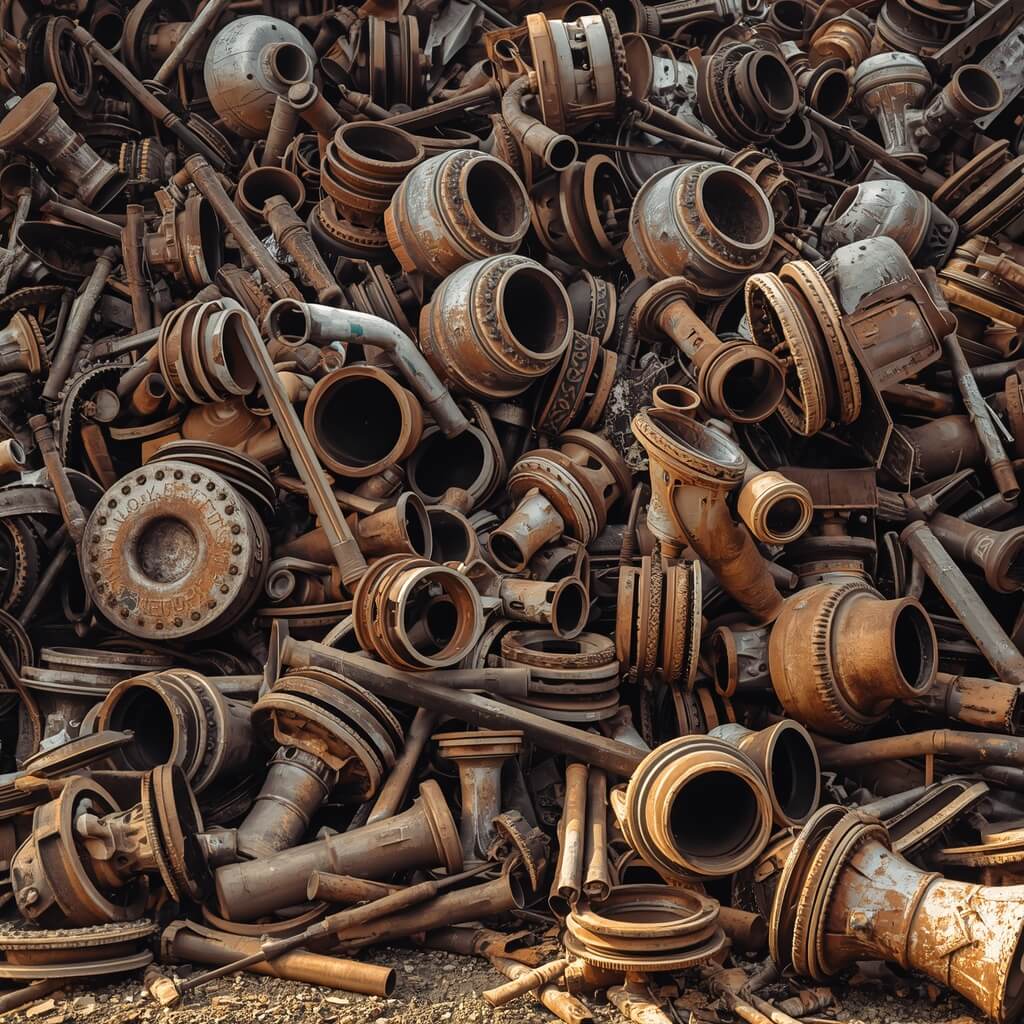
Steel scrap materials

Steel scrap commands premium prices in the market. We buy both stainless steel and carbon steel in various forms. Whether you have industrial waste, old structures, or household steel items, we provide competitive valuation.

Steel, an iron-carbon alloy, encompasses a vast family of materials engineered for specific properties and applications. From structural steel supporting skyscrapers to stainless steel resisting corrosion in chemical environments, each steel type presents unique recycling challenges and values. At G D Enterprises, our expertise spans the entire steel spectrum, enabling accurate identification and fair valuation of diverse steel scrap materials. Understanding steel grades, alloy contents, and end-use applications allows us to maximize returns for our customers while directing materials to appropriate recycling channels.

Stainless steel represents the premium segment of steel recycling, commanding significantly higher prices than carbon steel due to chromium and nickel content. Grade 304 stainless, the most common variety, contains approximately 18% chromium and 8% nickel—expensive alloying elements that retain value in scrap form. Grade 316, used in marine and chemical applications, includes molybdenum for enhanced corrosion resistance, further increasing scrap value. We test stainless steel using specialized equipment to identify grades accurately, ensuring you receive appropriate compensation for these valuable alloys.

Carbon steel, while less expensive per kilogram than stainless, represents the largest volume category in steel recycling. Structural steel from buildings, automotive steel from vehicles, sheet metal from appliances, and reinforcement bars from concrete all fall into carbon steel categories. These materials feed electric arc furnaces and basic oxygen furnaces globally, with steady demand from steel mills. Carbon steel scrap grades—from HMS (Heavy Melting Scrap) to shredded steel—each have established specifications and market prices that we reference when evaluating your materials.

Industrial steel waste offers consistent quality and composition, making it attractive to recyclers and end users. Manufacturing facilities producing automotive components, machinery parts, or consumer products generate steel scrap with known alloy content and minimal contamination. Fabrication shops cutting structural steel produce clean offcuts valuable for remelting. We partner with industries to establish regular scrap pickup schedules, providing bins or roll-off containers, maintaining documentation for audits, and offering competitive pricing that helps manufacturing operations monetize their waste streams.

Automotive steel recycling represents a specialized segment due to the variety of steel types in vehicles. Body panels use mild steel, structural components employ high-strength steel, and some parts contain galvanized or coated steel. End-of-life vehicles (ELVs) require dismantling to separate steel from other materials like plastics, glass, and fluids. We purchase complete vehicles or steel components from dismantlers, recognizing that modern vehicle recycling involves complex material segregation. Our automotive steel expertise ensures appropriate valuation regardless of whether you're selling a complete car or specific steel components.

Construction steel from demolished structures often comes in large, heavy forms—I-beams, channels, angles, and plates. These structural shapes may be reusable in construction if in good condition, commanding premium prices beyond scrap value. Alternatively, they can be processed into scrap for remelting. We evaluate structural steel considering both reuse potential and scrap value, maximizing returns for demolition contractors and building owners. Our equipment and transportation capabilities handle massive structural components that smaller scrap dealers cannot accommodate.

Steel Types We Buy:

  • âś“ Stainless steel (304, 316 grades)
  • âś“ Carbon steel items
  • âś“ Mild steel materials
  • âś“ High-tensile steel
  • âś“ Steel plates and sheets
  • âś“ Steel structural materials
  • âś“ Industrial steel waste

Common Steel Items:

  • Automotive Parts: Cars, bikes, and vehicle steel components
  • Industrial Equipment: Machinery and production tools
  • Construction Material: Beams, channels, and angles
  • Household Items: Old furniture and appliances with steel

Copper Scrap

Highest prices for copper and copper alloys

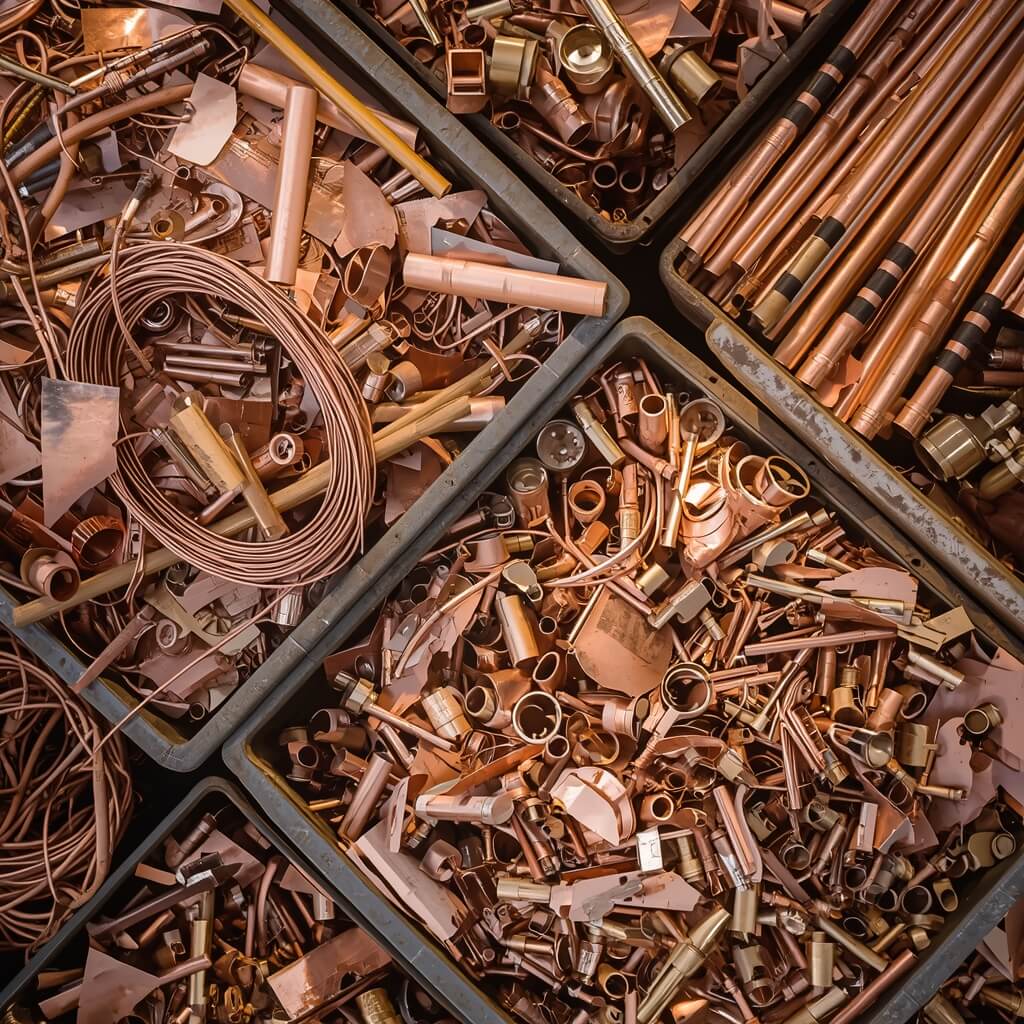
Copper scrap material

Copper is one of the most valuable scrap materials. We buy all grades of copper – from pure copper to copper alloys. Our expert evaluation ensures you get the best price for your copper scrap.

Copper stands among the most economically significant recyclable metals, with prices often exceeding ten times those of steel or iron. This high value derives from copper's unique properties—excellent electrical and thermal conductivity, corrosion resistance, antimicrobial characteristics, and aesthetic appeal. Applications ranging from electrical wiring to plumbing, electronics to renewable energy systems all demand copper, creating consistent market demand for both primary and recycled copper. G D Enterprises specializes in copper scrap evaluation, employing testing equipment and trained staff to accurately identify copper grades and provide premium compensation reflecting the metal's true worth.

Bare bright copper wire represents the highest-grade copper scrap, consisting of clean, uncoated copper wire without insulation, oxidation, or attachments. This premium material feeds directly into manufacturing processes with minimal refining, commanding top-dollar prices. Electrical contractors, demolition operations, and industrial facilities generate bare bright copper from wire stripping operations. We purchase bare bright copper at rates closely tracking London Metal Exchange copper prices, ensuring you receive maximum value for this premium material. Even small quantities of bare bright copper are worth collecting and selling due to its exceptional value density.

Copper tubing from plumbing, HVAC, and refrigeration systems constitutes a major copper scrap category. Air conditioning systems contain substantial copper in refrigerant lines, heat exchangers, and compressor windings. Plumbing renovations yield copper pipes of various diameters. Industrial refrigeration and process piping generate heavier-gauge copper tubing. The cleanliness and thickness of copper tubing affects pricing—clean tubing with minimal attachments commands better rates than corroded or solder-contaminated material. We evaluate tubing based on copper content, quality, and processing requirements to offer fair, competitive pricing.

Copper transformers and electric motors represent complex scrap sources containing high-purity copper windings along with steel cores and other materials. The copper content percentage varies by transformer type and size—small transformers might be 20% copper, while large power transformers can exceed 70% copper content. Motor recycling requires separating copper windings from steel housings, a labor-intensive process affecting scrap value. We purchase transformers and motors based on estimated copper content, size, and condition, applying industry-standard recovery rates to determine fair pricing. Large industrial transformers from power utilities or substations represent particularly valuable scrap opportunities.

Copper alloys—primarily brass (copper-zinc) and bronze (copper-tin)—command lower prices than pure copper but remain valuable recyclable materials. Brass appears in plumbing fixtures, musical instruments, decorative hardware, and industrial fittings. Bronze finds applications in bearings, sculptures, and marine components. Alloy composition affects value; red brass (high copper content) fetches better prices than yellow brass (higher zinc content). We conduct chemical tests or use X-ray fluorescence analysis to identify alloy compositions accurately, ensuring appropriate pricing for these copper-based materials.

Copper theft has unfortunately become a significant problem globally due to high metal values, making legitimate sourcing documentation important. We maintain strict policies requiring identification from copper sellers and documentation for large quantities, protecting ourselves and customers from involvement with stolen materials. Legitimate copper sources—construction contractors, electrical businesses, manufacturers, and homeowners—have nothing to fear from these policies, which simply ensure the integrity of recycling supply chains. Responsible business practices protect everyone involved in the copper recycling industry.

Copper recycling delivers exceptional environmental benefits alongside economic returns. Primary copper production from mining and smelting is extraordinarily energy-intensive and polluting. Recycled copper requires only 10-15% of the energy needed for primary production, dramatically reducing carbon emissions and fossil fuel consumption. Copper mines create vast environmental disturbances and produce toxic tailings that threaten water quality. By recycling copper, we collectively reduce mining demand, preserve natural landscapes, and minimize environmental degradation while supporting economic activity through valuable material recovery.

Copper Materials We Accept:

  • âś“ Bare bright copper wire
  • âś“ Copper tubing and pipes
  • âś“ Copper sheet and plate
  • âś“ Copper transformers
  • âś“ Brass (copper-zinc alloy)
  • âś“ Bronze (copper-tin alloy)
  • âś“ Electrical copper waste

Copper Grades & Pricing:

Copper Grade Description Price Range (per kg)
Bare Bright Copper Pure, clean copper ₹550 - ₹650
Copper Wire Insulated or bare ₹400 - ₹550
Brass Copper-zinc alloy ₹250 - ₹350
Copper Scrap Mixed copper items ₹300 - ₹450

Aluminum Scrap

Best rates for aluminum in all forms

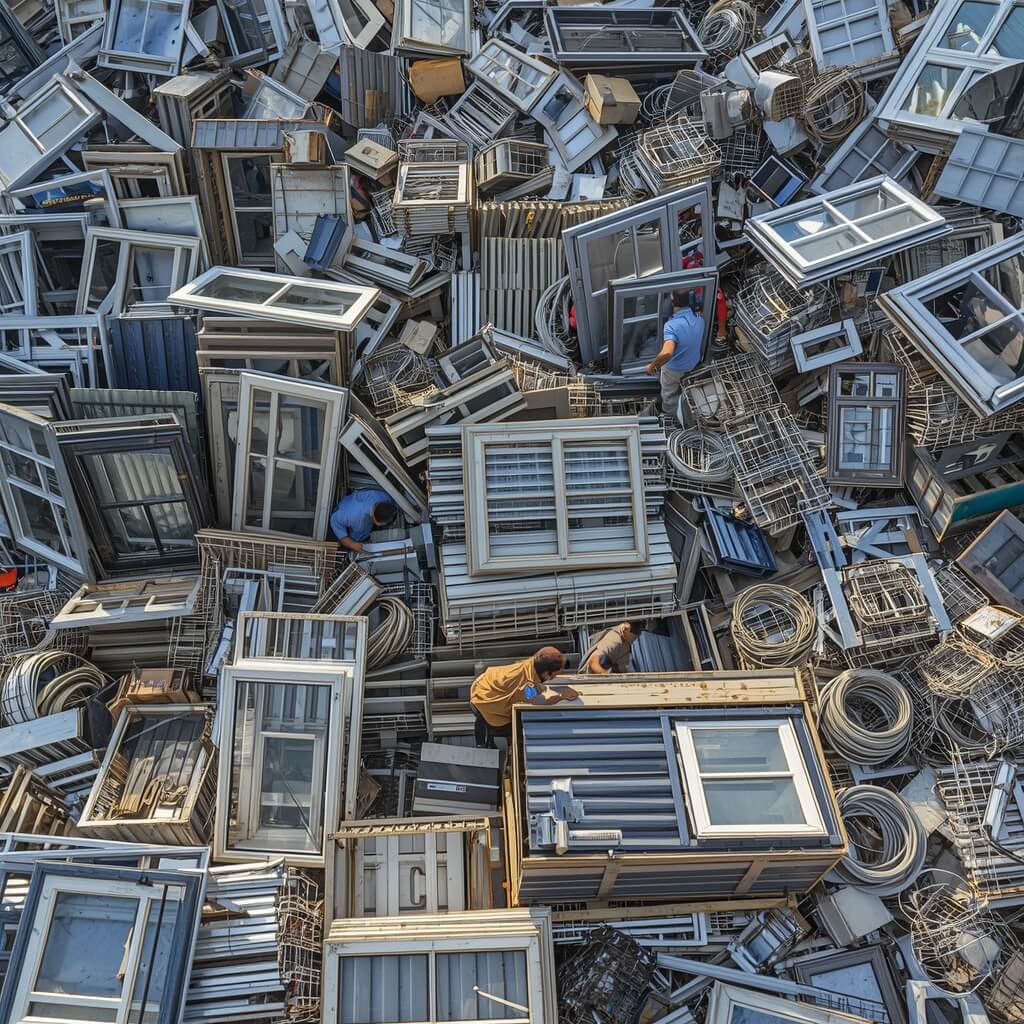
Aluminum scrap materials

Aluminum is lightweight yet valuable. We buy aluminum scrap in all forms – from cans to industrial aluminum. Easy to transport and guaranteed fair pricing for all aluminum materials.

Aluminum occupies a unique position in the recycling hierarchy—extraordinarily energy-intensive to produce initially from bauxite ore, yet highly efficient to recycle repeatedly without quality degradation. This efficiency differential makes aluminum one of the most economically and environmentally valuable recyclable materials. Recycling aluminum saves approximately 95% of the energy required for primary production, translating to massive carbon emission reductions and cost savings. G D Enterprises actively promotes aluminum recycling across Hyderabad, accepting everything from beverage cans to industrial extrusions, ensuring this valuable lightweight metal circulates continuously through manufacturing rather than wasting in landfills.

Aluminum alloys are engineered for specific applications, with over 400 alloys registered internationally. These alloys incorporate elements like copper, magnesium, silicon, zinc, and manganese to achieve desired properties—strength, corrosion resistance, formability, or electrical conductivity. Different alloys command different scrap values based on composition and end-use markets. Cast aluminum from engine blocks differs from wrought aluminum in window frames, which differs from aerospace-grade aluminum alloys. Our evaluation expertise enables us to identify alloy categories and provide appropriate pricing reflecting each material's market value and recycling pathway.

Aluminum cans represent the most visible aluminum recycling success story globally. Beverage can recycling infrastructure is well-established, with collection systems spanning from curbside pickup to redemption centers. The economics are compelling—recycling aluminum cans uses just 5% of the energy needed to produce cans from bauxite, and recycled cans can return to store shelves as new cans within 60 days. While individual can values are modest, bulk quantities from restaurants, events, or collection programs generate significant value. We purchase aluminum cans in all volumes, encouraging continued participation in this successful recycling model.

Architectural aluminum from buildings and infrastructure projects represents high-volume recycling opportunities. Aluminum window frames, door frames, siding, gutters, and roofing materials all enter waste streams during renovations and demolitions. These architectural applications use specific alloys designed for outdoor exposure, maintaining value in recycling markets. Commercial building renovations can generate thousands of kilograms of aluminum scrap, making professional removal and recycling services essential. We coordinate with contractors to provide efficient scrap removal that keeps projects on schedule while recovering maximum material value.

Automotive aluminum usage has expanded dramatically as manufacturers pursue weight reduction for fuel efficiency. Modern vehicles incorporate aluminum in engine blocks, transmission cases, wheels, body panels, and structural components. Some vehicles—particularly luxury and performance models—feature predominantly aluminum construction. This trend creates growing aluminum scrap streams from auto recyclers and repair shops. We purchase automotive aluminum in all forms, from complete engines to individual components, recognizing that vehicle aluminum often represents premium alloys with enhanced scrap value.

Industrial aluminum scrap from manufacturing encompasses extrusions, sheet metal, machining chips, and production waste. Aluminum fabrication shops generating these streams benefit from establishing regular pickup relationships with recyclers. Clean industrial aluminum commands premium prices due to known composition and minimal contamination. Manufacturers can significantly offset raw material costs by monetizing scrap while simultaneously reducing waste disposal expenses. We work with industrial clients to optimize scrap management, providing containers, scheduled pickups, and transparent pricing that makes aluminum recycling financially attractive.

Contaminated or mixed aluminum—items with steel attachments, plastic components, or insulation—requires additional processing before recycling, affecting value. Aluminum window frames with rubber seals, aluminum wiring with insulation, or aluminum castings with steel inserts all fall into this category. While processing costs reduce prices compared to clean aluminum, these materials remain valuable and recyclable. We accept contaminated aluminum, applying appropriate discounts based on contamination levels and processing requirements. Our goal is maximizing aluminum recovery even from complex material streams.

Aluminum Items We Buy:

  • âś“ Aluminum cans
  • âś“ Aluminum foil
  • âś“ Aluminum windows and frames
  • âś“ Aluminum automotive parts
  • âś“ Aluminum sheets and plates
  • âś“ Aluminum cable and tubing
  • âś“ Aluminum industrial scrap

Aluminum Sorting Categories:

  • Clean Aluminum: Wire, tubing, and pure aluminum pieces
  • Mixed Aluminum: Various aluminum items mixed together
  • Aluminum Cans: Beverage cans and containers
  • Contaminated Aluminum: Aluminum with attached materials

Why Aluminum Recycling?

Aluminum recycling saves 95% of the energy needed to produce new aluminum. It's lightweight, valuable, and environmentally responsible.

Ready to Sell Your Metal Scrap?

Get your free quote today and earn instant cash!

Visit Our Location